How to Enjoy Baking More in January
The Calendar Year may get paid commission for purchases made after clicking a link on this page.
This website is for inspiration purposes only. The content provided is meant to spark creativity and ideas, not to serve as professional advice or as endorsement.
There’s something about January mornings that draws me to browse baking recipes. Perhaps it’s the frost patterns on the windows. Or maybe it’s the way the pale winter light makes me crave warmth and comfort. Either way, I’ve been collecting winter baking ideas I’m keen to try.

I’m not an expert baker by any means. I’m learning as I go. But that’s what makes January perfect for experimenting. Unlike the pressure of December, with its holiday-baking expectations, January gives us permission to try things. To make mistakes. To learn together.
In this post, I want to share the winter baking recipes I’ve been saving. These aren’t complicated creations from professional bakers. Instead, they’re straightforward recipes that look achievable. Ideas I’m genuinely excited to attempt during the coldest month of the year. Perhaps you’d like to try them too?

Why January Is Perfect for Trying New Recipes
January naturally encourages us to slow down. After the busy holiday season, we’re ready for quieter days. The garden sleeps under frost. The birds wait patiently at feeders. And we, too, can embrace a gentler pace.
Moreover, there’s less pressure in January. If something doesn’t turn out perfectly, it doesn’t matter. We’re not baking for guests or special occasions. We’re simply experimenting. Learning. Finding what works.
Additionally, the kitchen becomes a natural gathering place during winter. If you have children, this is the perfect time to involve them. Winter baking ideas for kids work beautifully because they’re often simpler. More hands-on. Less about perfection and more about the experience.
Furthermore, the kitchen offers warmth and purpose on cold days. It’s a place where you can be productive without leaving the house. Where you can create something tangible while the world outside feels frozen and still.
Most importantly, easy winter baking recipes matter when you’re learning. We don’t need complicated techniques or special equipment. Just straightforward methods that build confidence. That’s what I’ve been looking for, anyway.

Morning Plans: Scones and Building Confidence
I want to start my January mornings with scones. Not because I’ve mastered them. But because everyone says they’re straightforward. Reliable. A good place to begin.
The recipe looks wonderfully simple. Flour, butter, a touch of sugar. Buttermilk to bring it together. No fuss. No elaborate technique required. Just basic ingredients and gentle handling.
Furthermore, this seems like one of those easy winter baking recipes that could transform mornings. Twenty minutes from start to finish. If they work out, they’d be perfect with jam or a generous spread of butter.
What’s more, I’ve read that scones are forgiving. Overwork the dough slightly? They’ll apparently still taste good. Shape them imperfectly? They’ll still rise. This forgiving nature makes them ideal for winter baking for kids, too.
If you have children, they could help press out the dough with cookie cutters. Stars and hearts were scattered across the baking sheet. Then brush them with cream. Sprinkle with sugar. Watch them turn golden together.
I’m planning to try this recipe from BBC Good Food: Classic Scones with Jam
Scones: my first winter baking challenge

Afternoon Experiment: Banana Bread for Beginners
As the afternoon light begins its gentle fade, banana bread seems like the perfect next step. This is apparently the most forgiving winter-baking recipe. Everyone says it’s nearly impossible to get wrong.
Those overripe bananas turning brown on the counter aren’t wasted. Instead, they’re exactly what you need. Their sweetness has concentrated. Their flavour has deepened. They’re perfect for this recipe.
The process looks straightforward. Mash the bananas until smooth. Add flour and melted butter. A pinch of cinnamon. Sometimes walnuts. Sometimes chocolate chips. Often, nothing extra at all. It seems quite flexible.
Meanwhile, I’m told the house fills with an unmistakable scent. Warm. Comforting. Nostalgic. The kind of smell that apparently draws everyone to the kitchen, asking, “Is it ready yet?”
Additionally, this looks like winter baking for kids at its finest. They could help mash bananas. Stir the batter. Crack eggs. These simple tasks make them feel capable. Involved. Important.
Finally, I’m planning to cut thick slices while it’s still warm. Spread them with butter that melts instantly. Keep it simple. No ceremony needed. Just enjoy the result, whatever it looks like.
This recipe from Delicious Magazine looks perfect: Classic Banana Bread

Banana bread: the beginner-friendly option
Evening Challenge: My First Attempt at Bread
As darkness settles early over January evenings, I want to try my hand at bread-making. Real bread. I’ve never made it before, but everyone says it’s more about patience than skill.
I’m not planning to start with complicated sourdough starters. Just simple white bread. Yeast, flour, water, salt. Four ingredients. It sounds manageable, even for a complete beginner.
Apparently, the first rise happens while you do other things. The second is while you relax or read. By late evening, your house should smell like a bakery. That sounds rather magical.
Now, this isn’t one of the quick, easy winter baking recipes. On the contrary, it requires surrendering to time. Understanding that good things need patience. Nevertheless, I’m keen to try.
However, here’s what appeals to me: most of that time is hands-off. You’re not actively working the whole time. You’re just waiting. Living your evening. Checking in occasionally. That seems quite manageable.
Furthermore, for winter baking ideas for kids, the kneading stage looks fun to share. I imagine children would love it. The push and pull. Watching sticky dough transform into something smooth and elastic.
I’m starting with this recipe from The BBC Good Food Guide: Perfect White Bread

Homemade bread: the ultimate January goal
Weekend Treat: Attempting Brownies
Saturday afternoons seem perfect for chocolate. Deep, dark, unapologetic chocolate. The kind that makes you forget about the grey winter weather outside.
Brownies definitely belong in the category of easy winter baking recipes. One bowl. Stir everything together. Pour into a tin. Bake. Done. At least, that’s what everyone says.
No mixer required. No complicated techniques. Just a wooden spoon and twenty minutes in the oven. Then apparently comes the hardest part: waiting for them to cool slightly before eating.
I’m told the smell alone justifies the minimal effort. Rich. Intense. Promising. The kind of aroma that draws everyone to the kitchen, asking, “Are they ready yet?”
I’m planning to make a double batch. Reviews suggest these disappear faster than seems possible. Warm from the oven with their crackled tops. Or cold the next day. Apparently,y both versions are equally perfect.
If you’re winter baking for kids, this recipe looks ideal for involving them. They could measure and pour ingredients. Mix until their arms get tired. Then you take over. Everyone contributes something.

I’m imagining serving them with vanilla ice cream on Sunday evenings. Watching films. Letting the week ahead wait just a little longer.
This recipe from Nigella Lawson looks amazing: Dense Chocolate Brownies
Brownies: pure chocolate comfort worth attempting
Rainy Day Project: Discovering Gingerbread
When January rain streaks the windows, gingerbread seems like the perfect thing to try. Not Christmas gingerbread, though. January gingerbread. The softer, more contemplative kind. Less about celebration, more about comfort.
The spices sound warming. Ginger, obviously. But also cinnamon. A whisper of cloves. Black treacle makes everything rich, dark, and deeply flavourful. I’m curious to see how it all comes together.
This belongs among my favourite winter baking ideas because apparently it keeps beautifully. Make it on Sunday. Eat it all week long. Each day, it apparently grows more tender. More flavourful. More itself.
I’m planning to bake it in a square tin. Cut it into generous pieces. Maybe wrap them individually. Tuck them into lunchboxes. Serve with afternoon tea. Keep as midnight snacks.
Meanwhile, as winter baking ideas for kids go, decorating gingerbread people looks endlessly appealing. Roll out the dough. Press cutters. Give each one a personality with icing and sweets.
Some will probably have wonky smiles. Other serious expressions. But they’ll all taste equally delicious. They’ll all bring the same amount of joy, I imagine.
I’m keen to try this recipe from Mary Berry: Mary Berry’s Gingerbread

Sunday Goal: Try Apple Crumble
I want to make Sunday evening apple crumble a regular thing. It sounds like the perfect ritual. Something to look forward to. A gentle way to end the weekend.
I’d use stored apples from autumn. They’ve softened slightly over the winter months. Apparently perfect for baking. Their sweetness has concentrated. Their texture is ideal for crumble.
First, peel and slice the apples. Toss with sugar and cinnamon. Layer in a baking dish. Then comes what looks like the best part: making the crumble topping.
Rub flour, butter, and sugar together until it resembles breadcrumbs. If you have children helping, they could take turns with this step. Learning the texture. Understanding the transformation through their fingertips.
Additionally, this ranks among the easiest winter baking recipes. Forty minutes from start to finish. Most of that time in the oven. It should emerge golden. Bubbling at the edges. Smelling divine.
I’m planning to serve it with custard. Or cream. Maybe both if I’m feeling indulgent. No judgment. Only comfort. Only warmth against the January cold.
This classic from Jamie Oliver looks perfect: Apple Crumble

Sunday crumble: the perfect end to any week
Quiet Afternoon: Learning Shortbread
Sometimes the best winter baking recipes are the simplest ones. Three ingredients. Butter, flour, sugar. Nothing else. No complications. That appeals to me as a beginner.
Shortbread apparently teaches you that less can truly be more. Those quality ingredients speak for themselves. That you don’t always need complexity to create something delicious.
I want to make it on quiet afternoons. When the house feels too silent. When I need my hands busy but my mind at rest. This seems like the perfect recipe for that.
Simply press the dough into a tin. Prick with a fork in a pattern. Bake until pale gold. Cut while still warm. Then let it cool completely before eating. It sounds achievable.
The texture apparently matters here. Sandy. Crumbly. Melting on the tongue. Pure butter flavour shining through. Best served alongside unsweetened tea, I’m told.
Furthermore, for winter baking for kids, shortbread apparently offers limited room for error. The dough is sturdy. Forgiving. Easy for small hands to handle without disaster.
Children could press shapes with cutters. Make patterns with forks. Sprinkle with sugar. Each piece becomes unique. Personal to its maker. That sounds rather lovely.
Starting with this traditional recipe from The Hairy Bikers: Classic Shortbread

Join Me in Learning
These winter baking ideas aren’t about achieving perfection. Rather, they’re about learning together. About trying new things. About creating warmth when the world outside feels cold and unwelcoming.
January doesn’t demand expertise. Instead, it offers the perfect opportunity for experimentation. A batch of morning scones that might be slightly lopsided. Bread that might not rise quite as high as expected. The simple pleasure of trying.
The easy winter baking recipes I’ve shared occupy that sweet spot between challenging and achievable. They require attention without demanding professional skills. Time without stealing hours from your day. Perfect for amateur bakers.
Moreover, winter baking for kids teaches more than just technique. It shows them that learning takes time. That mistakes are part of the process. That trying something new is valuable in itself, regardless of the outcome.
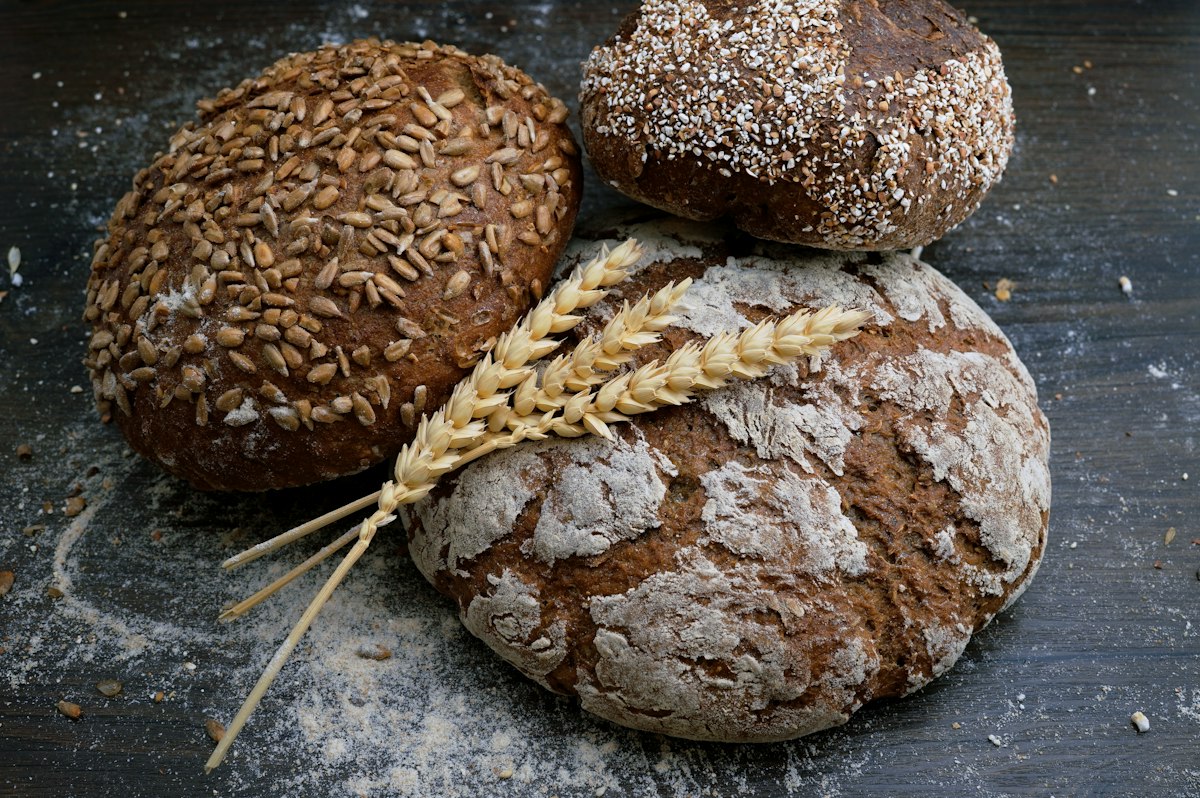
Even if you’re baking alone, there’s a connection in it. You’re joining countless others who are also learning. Also experimenting. Also, finding comfort in warm ovens and the simple act of trying something new.
So this January, I encourage you to pick one of these winter baking recipes and try it with me. Choose the one that appeals to you most. Don’t worry about achieving perfection. Just begin. Start somewhere. See what happens.
Let’s warm our kitchens together. Fill our homes with the scent of things baking. Let’s rest in the gentle rhythm of measuring, mixing, and patiently waiting to see how things turn out.
January is long. Dark. Sometimes difficult to navigate. But in our kitchens, we can create light. We can generate warmth. We can craft small moments of peace and pleasure, even if they’re imperfect.
That’s what winter baking ideas really offer us. Not perfection. But the joy of trying. The comfort of learning. The connection of sharing our attempts, successes, and yes, even our failures. Let’s learn together.
Share Your Winter Baking Adventures
Are you trying any new winter baking recipes this January? I’d love to hear what you’re attempting. What worked and what didn’t? Did anything surprise you? Let’s learn from each other in the comments below.


