Popular Winter Birds and Their Meanings
The Calendar Year may get paid commission for purchases made after clicking a link on this page.
This website is for inspiration purposes only. The content provided is meant to spark creativity and ideas, not to serve as professional advice or as endorsement.
So, it’s January. The trees are bare, the garden looks a bit sorry for itself, and honestly, getting outside feels like a chore. But here’s the thing I’ve been discovering lately – winter is actually a brilliant time to spot birds. There’s less foliage blocking your view, birds are more active during daylight hours, and some species only visit during the colder months. I’ve been doing a deep dive into which birds are worth watching, and I’ve got a bit obsessed with their symbolism, too. So grab a coffee, and let’s talk birds.

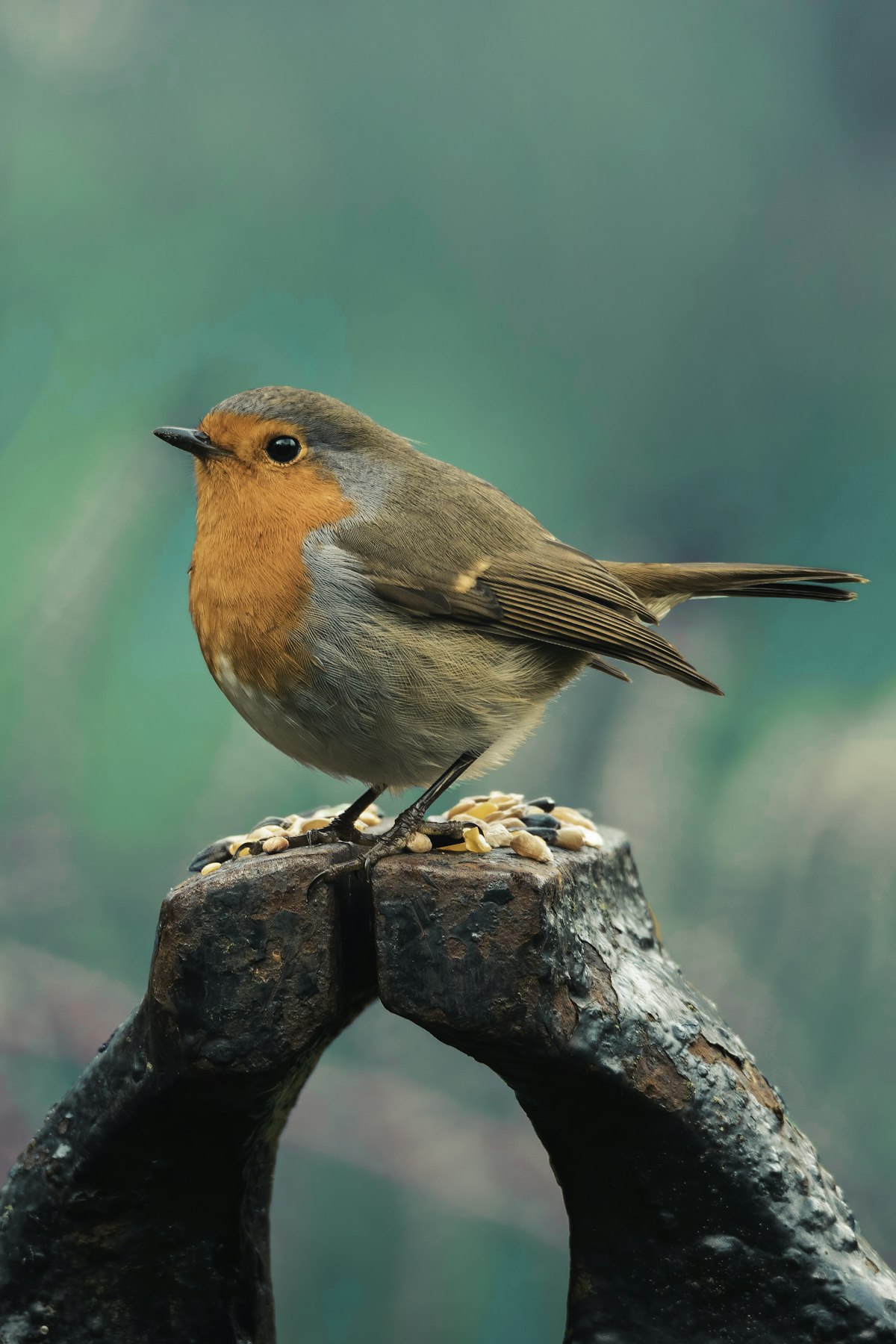
1. The Robin – Everyone’s Favourite Winter Visitor
Let’s start with the obvious one. The robin is basically the poster bird of winter. In the UK, especially, you can’t scroll through a Christmas card collection without spotting one. But robins are also common across Europe, parts of Asia, and North America has its own American Robin, which is actually a thrush but shares that warm, cheerful energy.
Symbolically, robins are closely associated with themes of hope and renewal. In British folklore, the robin is said to have gotten its red breast by trying to pull thorns from Christ’s crown. In other traditions, seeing a robin after losing a loved one is considered a sign that the loved one is nearby. It’s a comforting idea, especially in the grey of January.
The robin tends to be bold and territorial, singing even in winter when most birds have gone quiet. That solo winter song feels meaningful somehow. Like it’s saying, “Keep going.”
Robins are among the easiest birds to attract to your garden. They love mealworms and will often feed close to you. If you’re in the US, the Cornell Lab of Ornithology has a great profile on the American Robin. UK readers can check out the RSPB’s robin page.
2. The Blackbird – The Philosopher of the Garden
The blackbird might not seem as flashy as some birds, but honestly, once you start paying attention to it, it becomes one of the most fascinating birds around. The male is jet black with a vivid orange beak. The female is a warm brown. They’re common across Europe, North Africa, and parts of Asia.
Symbolically, the blackbird occupies rich and meaningful territory. In Celtic tradition, people regarded the blackbird as a messenger between this world and the next, and they believed its song carried spiritual meaning. In Norse mythology, people closely associated Odin with black birds — most often ravens — yet the blackbird carries some of that same mysterious energy.
In January, blackbirds are often rummaging through fallen leaves looking for worms and berries. They can seem almost meditative the way they go about it, slow and methodical. There’s something grounding about watching them.
Their song is one of the most beautiful of any bird, a rich, flute-like melody that you’ll start hearing as early as January on milder days. It signals that spring isn’t as far away as it feels.
For more on blackbird behaviour and identification, the RSPB has a detailed guide. North American readers looking for similar thrushes might enjoy the Audubon Society’s resources.

3. The Blue Tit – Small But Mighty
The blue tit is one of those birds that makes you genuinely smile. It’s tiny, acrobatic, and absolutely fearless. Blue tits are found across Europe and parts of western Asia. If you have a garden feeder, you’re likely already acquainted with one.
Symbolically, the blue tit is associated with joy, adaptability, and resourcefulness. In some folk traditions, it’s a symbol of good luck, partly because of its bright colours and partly because of its boldness. A bird that small, that confident, feels like a lesson in something.
In winter, blue tits travel in mixed flocks with other tit species. They’re incredibly agile, hanging upside down from branches to find insects hiding in bark. Watching a blue tit work a branch is oddly satisfying. They’re problem-solvers, and they don’t give up easily.
They’re also a great starter bird for anyone just getting into birdwatching. They’re easy to identify and reliably appear at feeders if you put out sunflower seeds or fat balls. If you want to attract them, the Wildlife Trusts have a useful guide. For broader tit species in North America, AllAboutBirds.org is a solid resource.

4. The Wren – Tiny King of the Hedgerows
The wren is astonishing. It’s one of the smallest birds in Europe, but it has one of the loudest calls relative to its size of any bird in the world. It punches so far above its weight that it’s almost comical. Wrens are found across Europe, Asia, North Africa, and North America, and North America has its own wren species too, including the popular House Wren.
In folklore, the wren has a surprisingly grand reputation. In Celtic tradition, the wren was called the “king of birds.” There’s an old story about how the wren won a contest to fly the highest by hitching a ride on the eagle’s back and then launching itself from the eagle’s head at the last moment. Cheeky, clever, and utterly triumphant.
In January, wrens are one of the birds you’re most likely to hear before you see. That rapid, rattling song coming from a hedgerow or dense bush is worth investigating. They tend to stay low and hidden, but if you wait patiently, they’ll often pop out.
The wren’s symbolism includes cleverness, determination, and the idea that power doesn’t always look the way you expect. It’s a good January reminder, honestly.
For more, visit the RSPB’s wren page or the Cornell Lab’s House Wren guide for US readers.

5. The Goldfinch – A Flash of Colour in the Grey
Just when January threatens to be relentlessly grey, a goldfinch appears, and suddenly the whole world looks brighter. The European goldfinch is genuinely stunning: red face, yellow wing bars, and a cheerful tinkling call. In North America, the American Goldfinch is a similar burst of brightness, though the males are more muted in winter plumage.
Symbolically, goldfinches hold a long and meaningful place in art and spirituality. In Christian iconography, artists associated the goldfinch with the Passion of Christ, believing the bird picked thorns from the crown, much like the robin legend. During the Renaissance, painters often placed a goldfinch in the hands of the infant Jesus to symbolise redemption. Beyond religious symbolism, people commonly link goldfinches with joy, abundance, and positive energy.
People call a group of goldfinches a “charm,” a name that perfectly captures the feeling they create when they appear. In January, goldfinches gather in lively flocks on teasel heads and thistle plants. If you want to attract them to your garden, offer Nyjer seeds in a feeder, as they readily seek them out.
There’s something about the goldfinch that feels like a reward. You’re trudging through a dreary January day, and then there they are, glittering in the hedgerow.
The RSPB’s goldfinch page is worth a read, and the Audubon Society has great info on the American Goldfinch.

6. The Fieldfare – A Winter Wanderer from the North
The fieldfare is one I only recently learned about, and it’s become a bit of a favourite. It’s a large thrush that arrives in the UK and much of western Europe from Scandinavia and northern Russia in winter. In North America, similar migratory thrushes, such as the Varied Thrush, make cold-weather appearances in unexpected places.
Fieldfares travel in large, noisy flocks, and you can see them stripping berries from hawthorn and rowan trees. They have a bold, chunky appearance: a grey head, a chestnut back, and a spotted orange breast. Once you know what to look for, they’re unmistakable.
Symbolically, people associate fieldfares with migration, resilience, and journeys. They travel extraordinary distances to get here. That feels significant in January, a month that can feel stagnant. The fieldfare is a reminder that movement is possible even in the coldest season.
They’re also just exciting to find. Spotting a flock of fieldfares in a winter hedgerow feels like a proper discovery. They tend to be wary and take flight easily, so approach slowly if you want a good look.
For identification help, check out BirdGuides or the RSPB fieldfare page. The Cornell Lab is also great for finding North American winter thrush species.

7. The Long-Tailed Tit – The One That Looks Like a Tiny Lollipop
I saved the most delightful for last. The long-tailed tit is, genuinely, one of the most charming birds you’ll ever see. It’s tiny, mostly pink, black, and white, and has an absurdly long tail that makes up about half its total length. It looks like something from a cartoon. It looks like a lollipop with wings.
Long-tailed tits travel in groups, often family parties, and they move through woodland and hedgerows in a loose, chattering convoy. You tend to hear the soft, high-pitched contact calls before you see them. Then suddenly there are eight or ten of these little puffballs bouncing through the branches around you.
Symbolically, people associate long-tailed tits with community, connection, and the warmth of family bonds. In winter, they huddle together at night for warmth, literally piling onto a branch together. That image feels very January. Finding comfort in closeness when it’s cold outside.
They’re increasingly visiting garden feeders, particularly if you offer suet or fat balls. Watching a group of long-tailed tits descend on a feeder is one of those simple pleasures that makes winter genuinely worthwhile.
The RSPB has a lovely page on the long-tailed tit. In North America, birdwatchers can find the similar Bushtit along the west coast, and AllAboutBirds.org has a profile.

Getting Started With Birdwatching in January
If all of this has made you want to actually get outside and look for some of these birds, here are a few useful places to start your research:
- The RSPB — brilliant for UK and European species
- Cornell Lab’s AllAboutBirds — the gold standard for North American birding
- Audubon Society — excellent resources for US readers
- BirdGuides — great for sightings and identification
- Merlin Bird ID App — a free app that identifies birds from photos or sound
January might feel like a quiet month, but the birds are out there. You just have to go and find them.
Share Your January Bird Sightings
What winter birds have you been watching lately? Have you noticed any robins, heard a blackbird’s song, or spotted a fieldfare? I’d love to hear about your January companions- please share your observations in the comments.


